
By Odhomi Christopher
As Nigeria edges closer to the annual “lean season” that difficult stretch between planting and harvest a familiar fear looms: hunger, and with it, a surge in malnutrition among the most vulnerable.
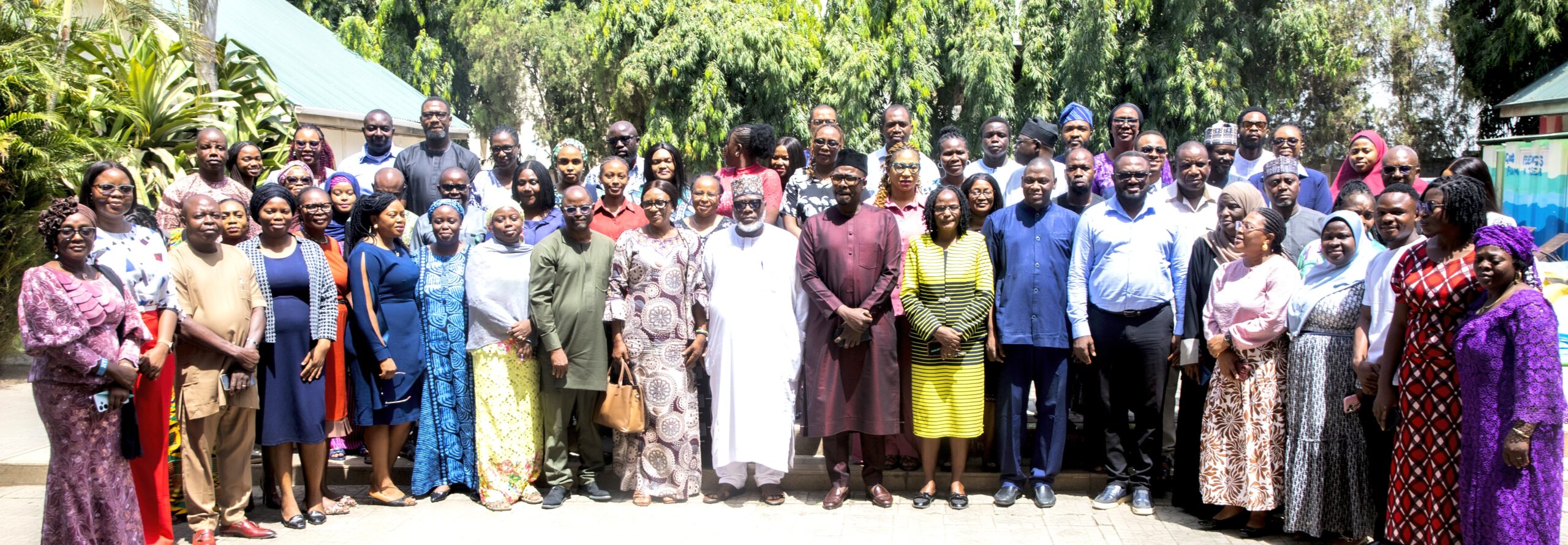
That concern took centre stage last week in Abuja, where government officials, development partners, and nutrition experts gathered for the first quarter meeting of the National Nutrition Technical Working Group (NNTWG). Their message was clear and urgent: Nigeria cannot afford to be caught unprepared again.
Every year from May to October, food becomes scarcer in many homes, especially in rural communities. Prices rise, access drops, and families particularly women and children bear the brunt. This is not new but timely planning and response seems to be a challenge.
At the meeting, stakeholders admitted a hard truth: Nigeria is still struggling with a “triple burden” of malnutrition too little food, poor-quality diets, and in some cases, unhealthy overconsumption. Despite progress in recent years, including millions of children reached with vitamin A and treatment for severe malnutrition, the country is still working hard to improve the gap between planning and action.
There were also signs of deeper systemic issues, poor coordination between agencies, fragmented interventions, and limited data sharing. In simple terms, too many players are working in silos when they should be working as one.
The two-day meeting in Abuja highlighted the country’s progress in nutrition interventions, amidst challenges. 40 million children (6-59 months) reached with vitamin A supplementation, 20 states have accessed the Child Nutrition Fund (CNF) while awaiting the remaining 16 states and FCT to also key into the CNF.
At the state level, the situation appears even more uneven. High burden are prioritized for more nutrition interventions while others receive routine supports.
The result? Millions of Nigerians remain underserved.
Yet, amid the challenges, there were sparks of hope.
Experts are now pushing for more local solutions from promoting affordable, nutrient-rich foods like Tom-Brown, to reducing Nigeria’s heavy reliance on imported nutrition materials. There is also a growing call to “localise” efforts, empowering communities to take charge rather than waiting for top-down interventions.
Another key shift being discussed is moving beyond emergency responses to building long-term systems, linking humanitarian efforts with development and peace-building strategies. In other words, not just feeding people today, but ensuring they won’t go hungry tomorrow.
Still, none of this will matter without urgency.
Delays in approvals, slow responses from stakeholders, and weak accountability continue to slow progress. Even simple actions, like tracking commitments or attending meetings consistently have proven to be hurdles.
If anything, the Abuja meeting served as a wake-up call.
Nigeria already knows the pattern and characteristics of the lean season. The warning signs are not new. What is needed now is not more talk, but faster, coordinated, and measurable action.


Discussion about this post