
By Queen Kunde
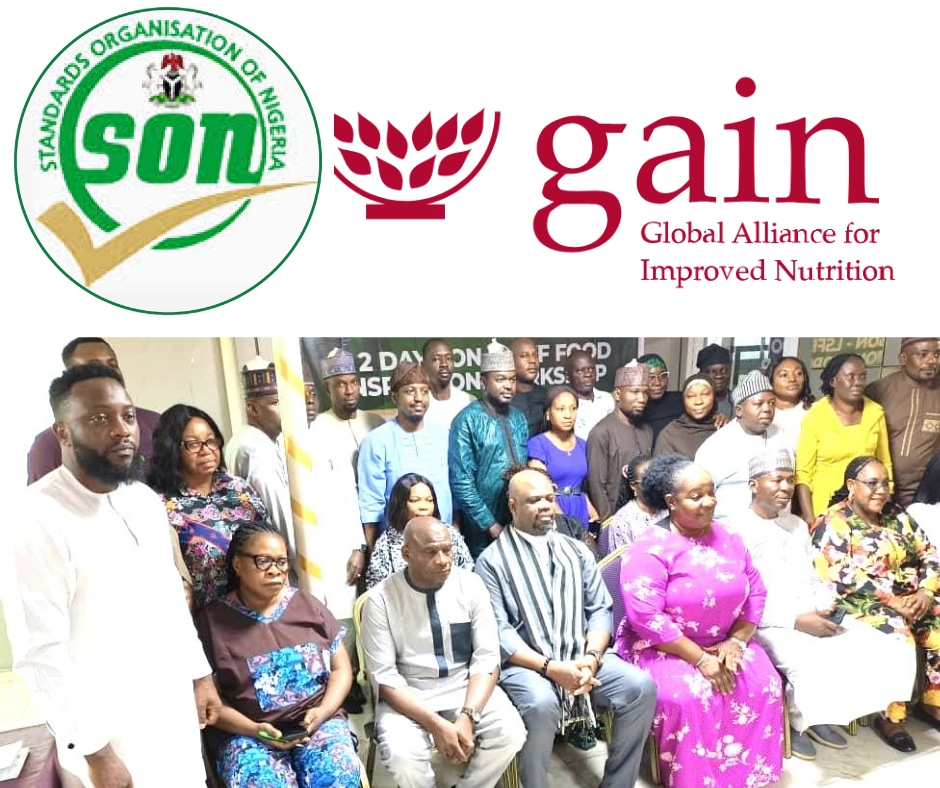
A major push to tackle malnutrition in Nigeria begins as the Standard Organisation of Nigeria (SON), with support from the Global Alliance for Improved Nutrition (GAIN), roll out a two-day regional programme aimed at strengthening food fortification efforts across the country.
The initiative, which starts in Kano, Plateau, and Oyo states, brings together key players in government and industry to improve the availability and affordability of fortified foods for Nigerians.
Day One: Aligning Policy with Industry
The first day of the programme is expected to focus on strategic engagement between Commissioners of Health and leaders in commerce and industry. The aim is to better align government policies with the realities faced by food producers and distributors.
Health Commissioners are expected to drive discussions on policy direction, public awareness, and monitoring systems, while industry leaders will provide insights on production, compliance, and market access.
Organisers say the engagement is expected to strengthen collaboration between government and businesses, foster innovation, improve compliance with standards, and attract more private sector investment into food fortification.
The meeting is also expected to promote shared responsibility and accountability, helping Nigeria accelerate progress in reducing vitamin and mineral deficiencies.
Day Two: Manufacturers in Focus
The second day will focus on manufacturers, who are seen as critical to the success of food fortification efforts.
By adding essential nutrients like iron, iodine, vitamin A, and zinc to commonly consumed foods, manufacturers are expected to play a major role in reducing malnutrition, boosting immunity, and supporting healthy growth, especially among children and women.
Experts say the discussions will also highlight how food fortification can reduce pressure on healthcare systems, improve productivity, and support economic growth.
However, the success of these efforts will depend on manufacturers maintaining quality standards, complying with national regulations, and ensuring that fortified foods remain affordable and accessible.
Overall, the programme is expected to strengthen collaboration between government, industry, and development partners, and generate practical outcomes that will expand access to fortified foods across Nigeria.
With Kano, Plateau, and Oyo taking the lead, stakeholders believe the initiative could mark a significant step toward securing a healthier future for the country.

